
Why Toenails Get Thick & How to Fix Them Safely at Home
Why Toenails Get Thick — And What You Can Safely Do About It at Home
If your toenails have become thick, hard, yellow, curved, or difficult to trim, you are not alone. Thick toenails are one of the most common foot care concerns people search for, and the right tools can make a huge difference.
First, Take a Deep Breath. Thick Toenails Are Common.
Many people feel embarrassed by thick toenails. They hide their feet, avoid sandals, or worry that every thick nail must be fungus. But thick toenails can happen for many reasons, including pressure, age, trauma, shoe friction, and buildup under the nail.
The goal is not to attack the nail. The goal is to gently reduce thickness, clean around the nail safely, and support healthier-looking nail growth over time.
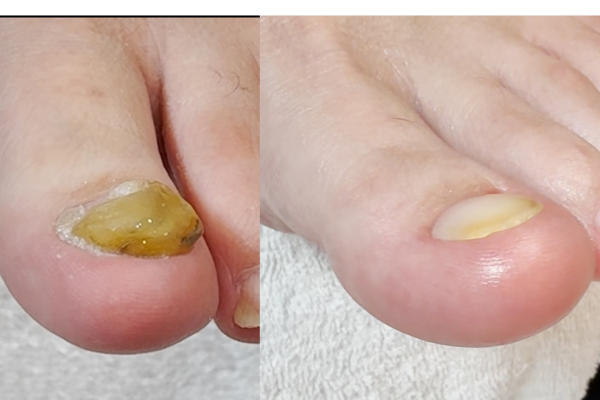
The Most Common Reasons Toenails Become Thick
Toenails usually thicken gradually. Understanding the cause helps you choose the safest care method.
1. Aging
As circulation slows with age and the body’s repair processes change, the nail plate may grow denser, harder, more layered, and more compact. This natural change often creates the classic “thick toenail” appearance.
2. Repeated Shoe Pressure
Years of wearing narrow shoes, tight toe boxes, or shoes that hit the front of the nails can cause the nail matrix to lay down thicker nail as a form of protection. This is especially common in the big toenails.
3. Past Nail Trauma
An old injury, dropped object, sports trauma, repeated stubbing, long-distance walking, or years of impact can permanently change the way a toenail grows.
4. Genetics
Some people naturally grow thicker toenails than others. If thick nails run in the family, genetics may play a role.
5. Difficulty Reaching the Feet
When someone has difficulty bending, twisting, or reaching their feet, toenails may go much longer between trims. The longer and older the nail plate becomes, the harder and thicker it can be to manage.
6. Debris Compaction
Dead skin cells and natural debris can build up underneath the free edge of the nail. When this material is not cleared regularly, it can compress and lift the nail, making it look and feel even thicker.
Look Closely Before You Assume It Is Fungus
Many thick toenails look scary because they are lifted, yellow, curved, or packed with buildup. These images help show why it is important to look at the whole nail story — not just the color.
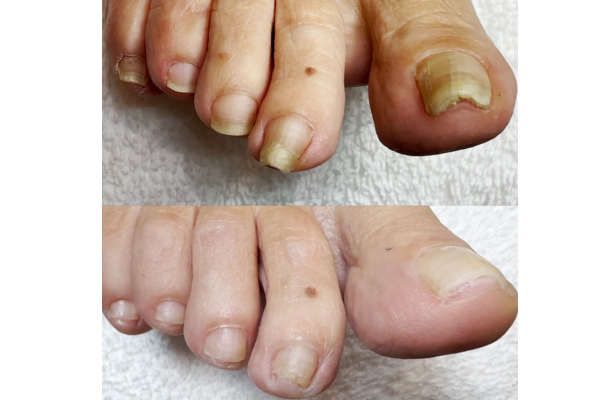
Example: thickened toenail from the side view
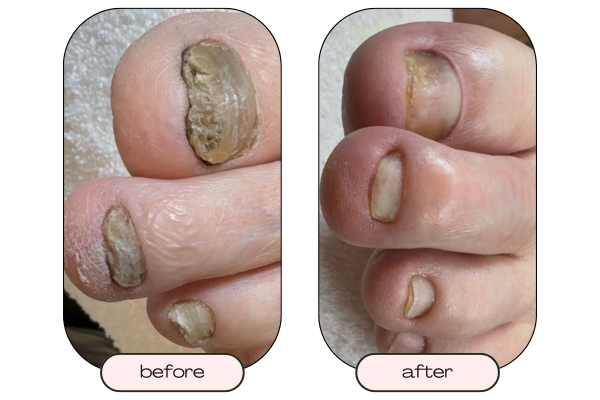
Example: thick toenail appearance before careful reduction
Thick Toenail: Fungus or Trauma?
Many people assume any thick or discolored toenail must be fungus. In reality, trauma and pressure are often the real cause. These patterns can help you understand what may be happening.
Signs It May Be Fungus
- More than one nail is affected, often on both feet
- The nail crumbles at the edges
- White, yellow, or brown patches change over time
- The nail feels soft, spongy, or chalky
- There may be a musty odor
- Changes gradually spread to other nails
Signs It May Be Trauma
- Only one or two nails are affected
- The nail is very hard, dense, or shell-like
- There is a history of injury, pressure, or tight shoes
- The nail grows upward or sideways instead of flat
- The change stays localized instead of spreading
Trauma is far more common than many people realize. Most toenails people assume are fungus are often long-term pressure or injury. Understanding this difference helps you choose a realistic care plan instead of spending years on products that do not address the thickness, pressure, or buildup.
When Thick Toenails Are Usually a Non-Medical Comfort Problem
Thick toenails are often a non-medical, comfort-based problem when there is no sign of infection, no open wound, no ulcer, and the main concern is thickness, discomfort in shoes, appearance, or difficulty trimming the nails.
These situations are often ideal for educated at-home care or professional nail technicians who specialize in restorative, non-invasive toenail services.
My Recommended Thick Toenail Care Tools
These are the types of tools I recommend for safer, more controlled thick toenail maintenance at home.
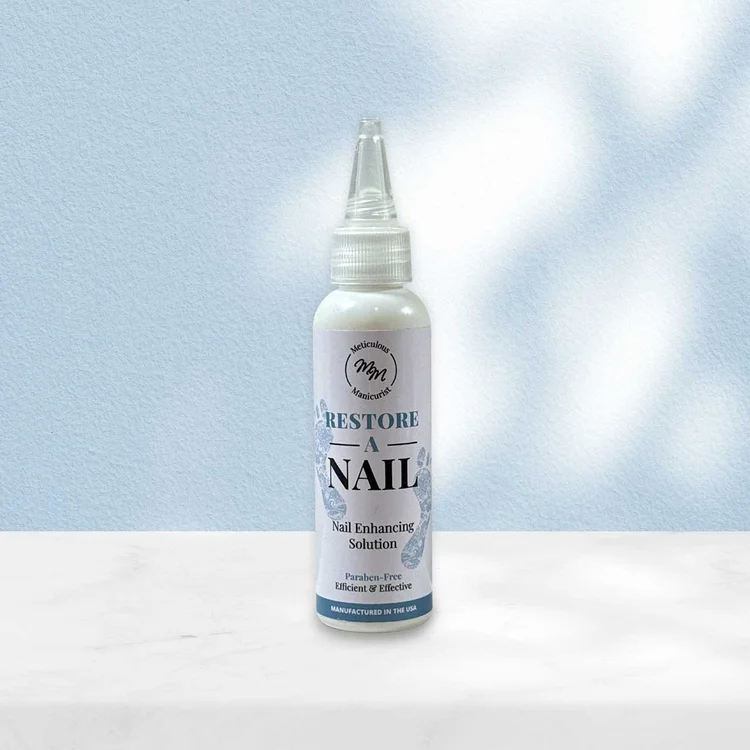
Restore A Nail
Helps condition dry, damaged, brittle, thick-looking, or discolored nails and the surrounding nail area. This is a key product in my restorative toenail care routine.
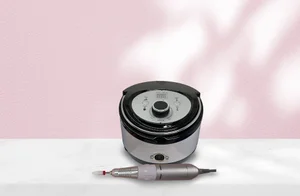
Electric Nail File Nail Drill
Designed to help gradually reduce thickness and smooth hard toenails without crushing, ripping, or tearing the nail plate. (Efile bits seen in YouTube videos sold seperately.)
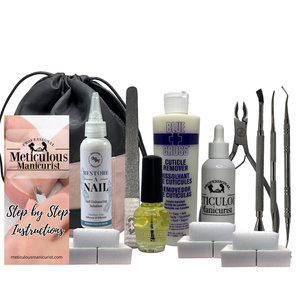
Restorative Pedicure Kit
A better choice if you need multiple tools for trimming, filing, smoothing, and maintaining thick toenails and dry skin at home.
Watch the Method Before You Start
If you are nervous about caring for thick toenails, watch one of my step-by-step toenail restoration videos first. Seeing the process helps you understand why gentle filing, careful trimming, and patience matter.
My goal is always to help you work safely, avoid damaging the nail, and feel more confident caring for your feet or helping someone you love.
Watch My Toenail Care VideosHow to Start Safely Caring for Thick Toenails at Home
- Soften the nail first. Warm water can help make thick nails easier to trim and file.
- Do not force the clipper. Trim small sections at a time instead of trying to cut across the whole nail.
- File thickness gradually. Use a quality nail file to slowly reduce bulk and smooth the surface.
- Clean carefully around the nail. Avoid digging aggressively under the nail or cutting skin.
- Use Restore A Nail consistently. Daily use supports a better-looking nail environment over time.
- Repeat maintenance regularly. Thick toenails improve with consistent care, not one aggressive session.
This content is for cosmetic foot care education and does not replace medical advice. If you have diabetes, circulation problems, open wounds, infection signs, severe pain, or are unsure what is happening with your toenails, consult a qualified medical professional.
When to See a Podiatrist
Thick toenails become a medical concern when there are signs of:
- Pus, green discharge, or foul-smelling infection
- Intense throbbing pain that does not improve
- Open wounds under or around the nail
- Ulcers or sores that will not heal
- Spreading redness, heat, or streaks up the foot
- Any worrisome foot changes in a person with diabetes
In those situations, a podiatrist or medical provider should be involved. The rest of this guide focuses on gentle, non-invasive cosmetic foot care and maintenance.
Thick Toenail Transformation & Electric File Essentials
Watch a full restoration using my favorite electric file setup, then explore the exact tools and training that help create smooth, controlled results on thick toenail services.
Recommended Tools & Training
These tools and education are designed to give you control, confidence, and predictable results when working with thick toenails.
Frequently Asked Questions About Thick Toenails
Are thick toenails always fungus?
No. Thick toenails can be caused by aging, pressure, trauma, shoe friction, nail damage, or buildup under the nail. Fungus may be one possible cause, but it is not the only reason toenails become thick.
Can thick toenails become thinner again?
Many thick toenails can be made thinner-looking, smoother, and easier to manage with careful filing, trimming, cleaning, and consistent maintenance. Results depend on the cause and condition of the nail.
What is the best tool for thick toenails?
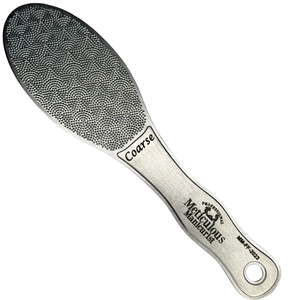
A professional-quality toenail file and strong toenail nippers are usually much better than weak drugstore clippers. The goal is controlled reduction, not forcing the nail to cut all at once.
Is it safe to file thick toenails?
Filing can be helpful when done gently and gradually. Avoid filing too aggressively, creating heat, or thinning the nail too much in one session.
How often should thick toenails be maintained?
Most thick toenails need regular maintenance every few weeks. Consistency is safer and more effective than waiting until the nails are very long, hard, or painful.
Shop the Thick Toenail Care Products Used in My Tutorials
Choose professional-quality tools designed to help you care for thick, hard, difficult toenails with more confidence and control.