
Ingrown Toenail Relief & Treatment at Home
Learn how to relieve ingrown toenail discomfort, clean the nail groove safely, avoid common mistakes, and use the right professional tools for better at-home toenail care.
Do You Have an Ingrown Toenail?
An ingrown toenail happens when the edge or corner of the nail presses into the surrounding skin. This can cause tenderness, pressure, redness, swelling, and pain when wearing shoes or walking.
Many people think the only issue is the nail itself, but discomfort can also come from skin, debris, or buildup trapped in the nail groove. When the groove is not cleaned properly, pressure can build and make the nail edge feel even more painful.
Watch the Tutorial
Add your best ingrown toenail YouTube video embed here. This helps visitors see your method, builds trust, and keeps them on the page longer.
Ingrown Toenail Symptoms
Ingrown toenail symptoms can range from mild pressure to intense pain. Catching the problem early can make at-home care easier.
Pain at the Nail Edge
Pain or pressure along the side or corner of the toenail is one of the most common signs of an ingrown nail.
Redness or Swelling
The skin around the nail may look irritated, swollen, or sensitive when touched.
Debris in the Nail Groove
Buildup along the nail wall can push the skin against the nail and make discomfort worse.
What Causes Ingrown Toenails?
Ingrown toenails can happen for several reasons. Understanding the cause helps you choose the right routine and avoid making the problem worse.
- Improper trimming: Cutting too short or rounding the corners can leave sharp edges that press into the skin.
- Tight shoes: Pressure from shoes can push the nail edge into the surrounding skin.
- Curved or pincer-shaped nails: Some nails naturally curve inward and create pressure along the sides.
- Thick toenails: Thick nails can press harder against the nail groove and surrounding skin.
- Buildup in the nail groove: Dead skin, sock lint, and debris can become packed along the nail edge.
- Picking or digging: Aggressive digging can irritate the skin and make the area more painful.
How to Relieve an Ingrown Toenail at Home
Mild ingrown toenail discomfort may be improved with careful cleaning, gentle pressure relief, and proper nail maintenance.
1. Soften
Soak the foot to soften the skin and nail area before cleaning. This makes the process more comfortable.
2. Clean
Use a proper sidewall cleaner tool to gently remove buildup from the nail groove without digging into the skin.
3. Trim
Trim the nail carefully and avoid cutting too far down the side. Sharp corners can create more pressure.
4. Maintain
Keep the groove clean, file rough edges, and condition the nail and skin consistently.
Mistakes That Make Ingrown Toenails Worse
Many people unintentionally make ingrown toenail discomfort worse by using the wrong tools or cutting too aggressively.
- Cutting the toenail too short
- Leaving the corners too long
- Digging into the skin with sharp tools
- Leaving debris packed in the nail groove
- Ignoring tight shoes or repeated pressure
- Trying to force the nail out when the area is already irritated
The Meticulous Manicurist® Method
My method focuses on gentle cleaning, proper tool control, and understanding how the nail edge, skin, and nail groove work together. The goal is to reduce pressure without aggressive digging or damaging the surrounding skin.
Shop the Tools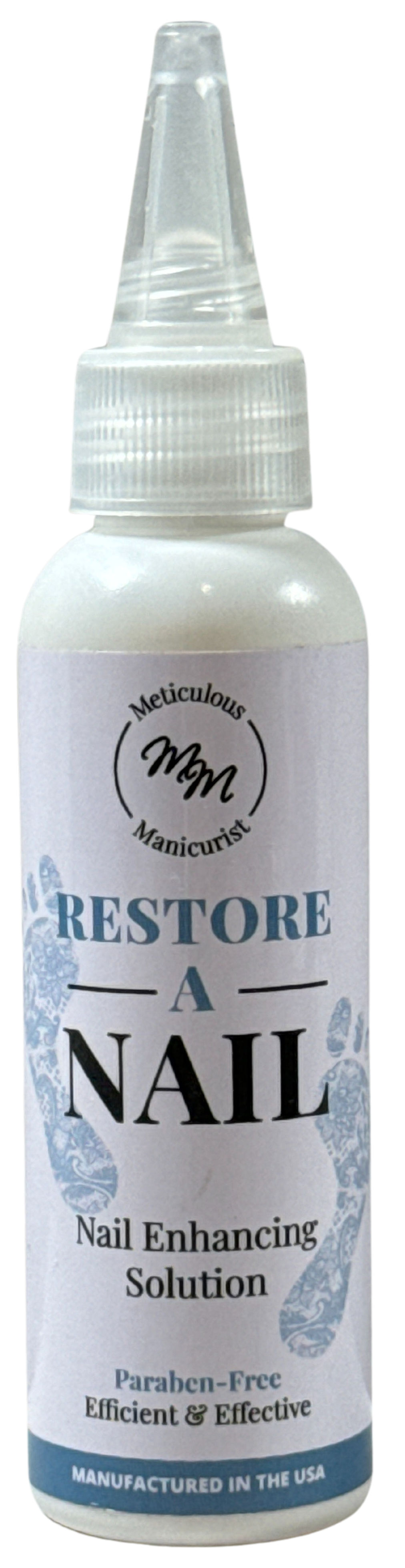
Restore A Nail
Supports the appearance of dry, damaged, thick, or neglected toenails during your home care routine.
Shop Restore A Nail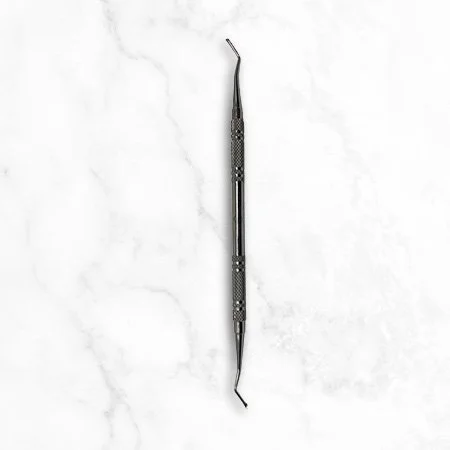
Ingrown Sidewall Cleaner Tool
Helps gently clean along the nail groove and remove buildup from the nail edge.
Shop Nail Groove Tools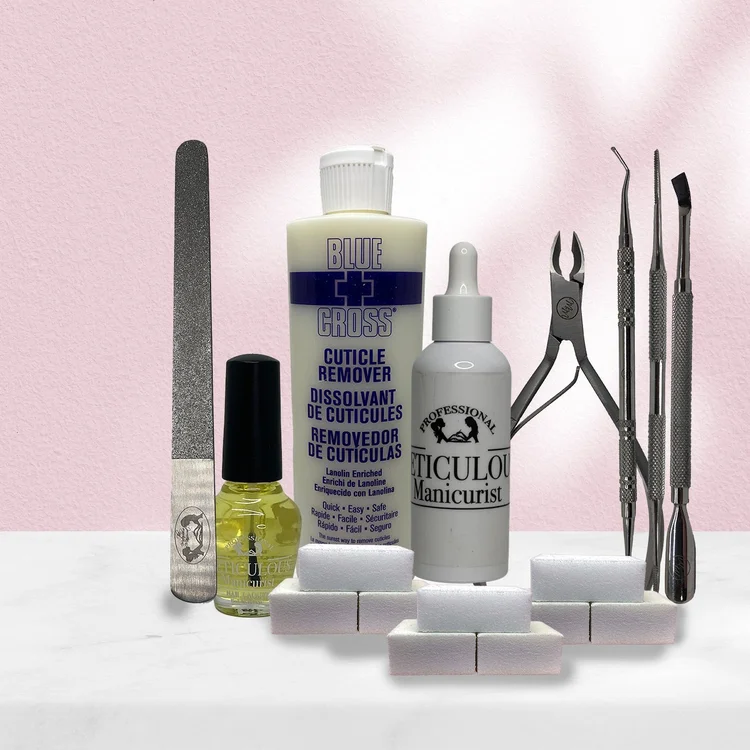
Ingrown Toenail Kit
Precision tools and products helps reduce sharp corners and uneven edges that can create pressure.
Shop Ingrown Toenail Kit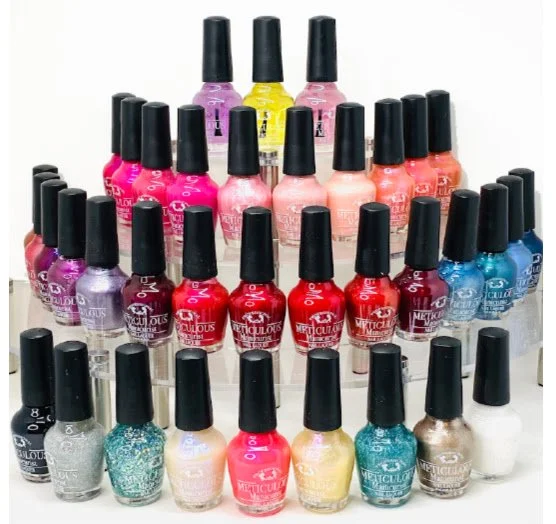
Meticulous Manicurist Nail Lacquer
A professional, anhydrous, 9-free nail polish line created for beautiful color, clean beauty standards, and confidence after your toenail care routine.
Learn About Nail Polish SafetyHow to Prevent Ingrown Toenails
Prevention starts with consistent care. Keeping the nail edge smooth, the groove clean, and the skin conditioned can help reduce recurring pressure.
- Trim toenails in the shape of the attachment point.
- Avoid cutting deep down the sides of the nail.
- Clean the nail groove regularly and gently.
- Wear shoes with enough room in the toe box.
- Use the proper tools instead of sharp household objects.
- Address thick or curved nails before they create more pressure.
Why The Meticulous Manicurist®
Lori Halloway, The Meticulous Manicurist®, has over 30 years of professional nail experience and has helped millions of viewers understand safe, practical toenail care through educational videos.
This page is designed to help you understand what may be causing pressure at the nail edge and how the right routine and tools can support better home care.
Trusted Education
- 30+ years of professional nail care experience
- Millions, 340+M, of educational video views
- Specialized focus on difficult toenails
- Professional tools used in real services
What Viewers Say About Learning Ingrown Toenail Care
These are real comments from viewers who learned from The Meticulous Manicurist® tutorials and started caring for their toenails with more confidence.
“I fixed my own ingrown toenails and have tried to help my sisters... even when trying to soak many times or clean it’s very very very hard to see how deep it goes.”
— @SpiderBan7“From your videos, I’ve fixed my ingrown toenails and learned so much about my own feet. Thank you soo much!!”
— @mertz197“Thank you so much for your videos. I fixed years of pain and swelling by learning how to properly trim and clean my toenails.”
— @kendomarie“My husband had a really bad ingrown toenail... We watched several of your videos together and followed along... It is completely healed today, thanks to you!”
— @laceym3662“I purchased the Restore A Nail and my pedicure kit and I have seen such a difference... Lori’s tutorials have all been super helpful.”
— @lesliearrobo3“Thank you for accepting us with troubled nails without any judgement but genuine concern for our well being.”
— @lesliearrobo3Individual experiences may vary. These comments are shared for educational and testimonial purposes and are not medical claims.
Ingrown Toenail Relief FAQ
How do I fix an ingrown toenail at home?
Mild discomfort may be improved by softening the area, gently cleaning the nail groove, trimming carefully, filing rough edges, and reducing pressure. Do not dig aggressively into the skin.
What causes an ingrown toenail?
Common causes include improper trimming, tight shoes, curved nails, thick nails, pressure, and debris trapped in the nail groove.
Why does my ingrown toenail keep coming back?
Recurring discomfort is often connected to repeated pressure, nail shape, improper trimming, or buildup that is not being removed from the nail groove.
Should I cut down the side of my toenail?
Cutting too far down the side can leave sharp edges and make the problem worse. It is better to trim carefully and maintain a smooth nail edge.
When should I see a doctor?
Seek medical care if you have severe redness, drainage, fever, spreading infection, diabetes, poor circulation, or pain that is worsening instead of improving.
Start With Education, Then Use the Right Tools
Watch the tutorial, learn what causes ingrown toenail pressure, and shop the professional tools used in The Meticulous Manicurist® method.
Disclaimer: This page is for educational cosmetic foot and nail care support only. It is not medical advice, diagnosis, or treatment. If you have signs of infection, diabetes, circulation problems, or worsening pain, contact a qualified medical professional.